Buy future-food.eu ?
We are moving the project
future-food.eu .
Are you interested in purchasing the domain
future-food.eu ?
domain@kv-gmbh.de · 0541-91531010
Buy future-food.eu ?
How can you seal a root cellar after the fact?
If you have already built a root cellar and need to seal it after the fact, you can use materials such as weather stripping, caulking, or foam insulation to seal any gaps or cracks in the walls, ceiling, or floor. You can also add a door sweep to the bottom of the cellar door to prevent air from entering. Additionally, you can install a vent fan to regulate the humidity and air circulation inside the cellar. These measures will help to create a more airtight and insulated environment for storing your produce. **
'Plant or root?'
A plant is a living organism that typically has leaves, stems, and roots, and is capable of photosynthesis. It is a multicellular eukaryote that belongs to the kingdom Plantae. A root, on the other hand, is a part of a plant that typically grows underground and is responsible for anchoring the plant, absorbing water and nutrients, and storing food. While a plant encompasses the entire organism, including roots, stems, and leaves, a root is just one specific part of a plant. **

Similar search terms for Root cellar
Top-Angebote
Products related to Root cellar:
-
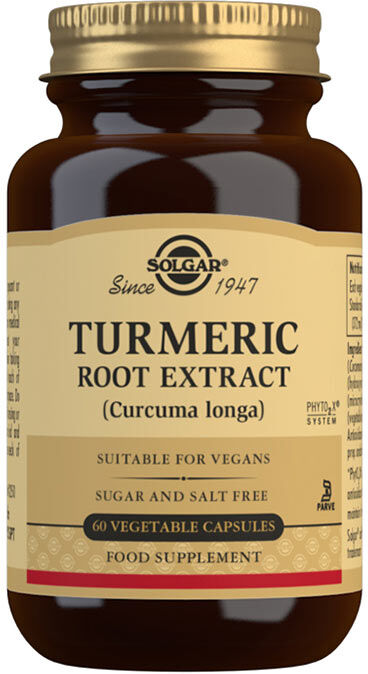
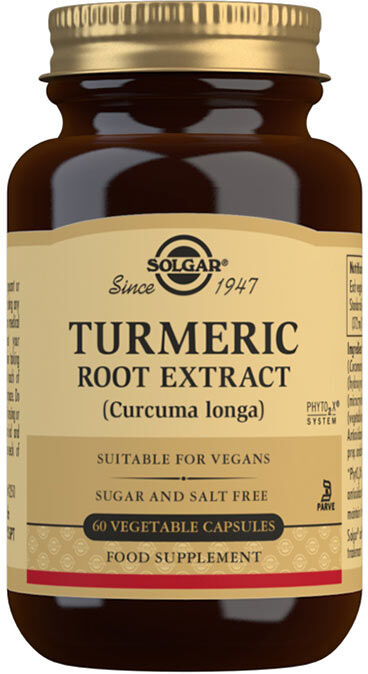
Solgar Turmeric Root ExtractTurmeric Root extract is more than just a culinary ingredients, this spice also has serval health-boosting benefits to it. The spice contains beneficial flavonoids called curcuminoids, which are plant-based antioxidants. These help to fight off cell damaging free radicals in the body. The supplement contains a standardised dose of Turmeric root extract so a consistent dose of the active ingredient will be ingested into the body with every capsule. Ingredients Standardised Turmeric Root Extract (Curcuma longa), Vegetable Capsule Shell: hydroxypropylmethyl cellulose, Bulking Agent: microcrystalline cellulose, Anti-caking Agents: (vegetable magnesium stearate, silicon dioxide), Antioxidant (powdered blend of beta-carotene prep. and ascorbic acid).21,50 £*Shipping: 2,95 £Secure redirect to the provider
-
Do food items in the cellar attract rats?
Yes, food items stored in the cellar can attract rats. Rats are attracted to the smell of food and will seek out any available sources of it. If food items are not properly stored or sealed, rats can easily access them and be drawn to the cellar. It's important to keep food items in airtight containers and regularly inspect the cellar for any signs of rodent activity to prevent attracting rats. **
-
Are cellar spiders dangerous?
Cellar spiders, also known as daddy long-legs, are not considered dangerous to humans. They are not venomous and their fangs are too small to penetrate human skin. In fact, they are actually beneficial to have around the house as they feed on other pests such as mosquitoes, flies, and other small insects. Therefore, cellar spiders are generally harmless and can even be helpful in controlling other pest populations. **
-
Are cellar spiders poisonous?
Cellar spiders, also known as daddy long-legs, are not considered to be poisonous to humans. While they do possess venom, it is not harmful to humans due to their small fangs and the small amount of venom they produce. In fact, cellar spiders are actually beneficial to have around as they help control the population of other pests such as mosquitoes and flies. **
-
What is a plant root phobia?
A plant root phobia, also known as rhizophobia, is an irrational fear or aversion towards plant roots. This phobia can manifest in various ways, such as feeling anxious or disgusted by the sight or touch of plant roots. People with this phobia may avoid gardening, farming, or any activities that involve handling plant roots. Treatment for plant root phobia may involve therapy, counseling, or exposure therapy to help individuals overcome their fear. **
How does the Monstera plant root?
Monstera plants root through a process called aerial root formation. These roots grow from the stem of the plant and are able to attach themselves to surfaces such as trees or walls for support. Aerial roots are equipped with special cells that allow them to absorb water and nutrients from the air, helping the plant thrive in its natural tropical habitat. In a home setting, Monstera plants can also be propagated by rooting stem cuttings in water or soil. **
How is the plant root damaged?
Plant roots can be damaged in several ways, including physical injury from digging, plowing, or construction activities. They can also be damaged by overwatering, which can lead to root rot, or by underwatering, which can cause the roots to dry out and die. Additionally, exposure to toxins in the soil, such as chemicals or pollutants, can also damage plant roots. Overall, any factor that disrupts the delicate balance of water, nutrients, and oxygen in the soil can lead to root damage. **
Top-Angebote
Products related to Root cellar:
-
"Rosendahl RÅ Salt Cellar, Black - H: 2.6"""RÅ kitchenware focuses on the good tools and user-friendly Nordic design, the good grips are the focal point of the series, which is created in thermo ash wood. The Saltcellar can stand alone or be combined with the spice tray in the same series.39,49 $*Shipping: 0,00 $Secure redirect to the provider
-
Solgar Turmeric Root ExtractTurmeric Root extract is more than just a culinary ingredients, this spice also has serval health-boosting benefits to it. The spice contains beneficial flavonoids called curcuminoids, which are plant-based antioxidants. These help to fight off cell damaging free radicals in the body. The supplement contains a standardised dose of Turmeric root extract so a consistent dose of the active ingredient will be ingested into the body with every capsule. Ingredients Standardised Turmeric Root Extract (Curcuma longa), Vegetable Capsule Shell: hydroxypropylmethyl cellulose, Bulking Agent: microcrystalline cellulose, Anti-caking Agents: (vegetable magnesium stearate, silicon dioxide), Antioxidant (powdered blend of beta-carotene prep. and ascorbic acid).21,50 £*Shipping: 2,95 £Secure redirect to the provider
-
How can you seal a root cellar after the fact?
If you have already built a root cellar and need to seal it after the fact, you can use materials such as weather stripping, caulking, or foam insulation to seal any gaps or cracks in the walls, ceiling, or floor. You can also add a door sweep to the bottom of the cellar door to prevent air from entering. Additionally, you can install a vent fan to regulate the humidity and air circulation inside the cellar. These measures will help to create a more airtight and insulated environment for storing your produce. **
-
'Plant or root?'
A plant is a living organism that typically has leaves, stems, and roots, and is capable of photosynthesis. It is a multicellular eukaryote that belongs to the kingdom Plantae. A root, on the other hand, is a part of a plant that typically grows underground and is responsible for anchoring the plant, absorbing water and nutrients, and storing food. While a plant encompasses the entire organism, including roots, stems, and leaves, a root is just one specific part of a plant. **
-
Do food items in the cellar attract rats?
Yes, food items stored in the cellar can attract rats. Rats are attracted to the smell of food and will seek out any available sources of it. If food items are not properly stored or sealed, rats can easily access them and be drawn to the cellar. It's important to keep food items in airtight containers and regularly inspect the cellar for any signs of rodent activity to prevent attracting rats. **
-
Are cellar spiders dangerous?
Cellar spiders, also known as daddy long-legs, are not considered dangerous to humans. They are not venomous and their fangs are too small to penetrate human skin. In fact, they are actually beneficial to have around the house as they feed on other pests such as mosquitoes, flies, and other small insects. Therefore, cellar spiders are generally harmless and can even be helpful in controlling other pest populations. **
Similar search terms for Root cellar
-
Solgar Turmeric Root ExtractTurmeric Root extract is more than just a culinary ingredients, this spice also has serval health-boosting benefits to it. The spice contains beneficial flavonoids called curcuminoids, which are plant-based antioxidants. These help to fight off cell damaging free radicals in the body. The supplement contains a standardised dose of Turmeric root extract so a consistent dose of the active ingredient will be ingested into the body with every capsule. Ingredients Standardised Turmeric Root Extract (Curcuma longa), Vegetable Capsule Shell: hydroxypropylmethyl cellulose, Bulking Agent: microcrystalline cellulose, Anti-caking Agents: (vegetable magnesium stearate, silicon dioxide), Antioxidant (powdered blend of beta-carotene prep. and ascorbic acid).21,50 £*Shipping: 2,95 £Secure redirect to the provider
-
Are cellar spiders poisonous?
Cellar spiders, also known as daddy long-legs, are not considered to be poisonous to humans. While they do possess venom, it is not harmful to humans due to their small fangs and the small amount of venom they produce. In fact, cellar spiders are actually beneficial to have around as they help control the population of other pests such as mosquitoes and flies. **
-
What is a plant root phobia?
A plant root phobia, also known as rhizophobia, is an irrational fear or aversion towards plant roots. This phobia can manifest in various ways, such as feeling anxious or disgusted by the sight or touch of plant roots. People with this phobia may avoid gardening, farming, or any activities that involve handling plant roots. Treatment for plant root phobia may involve therapy, counseling, or exposure therapy to help individuals overcome their fear. **
-
How does the Monstera plant root?
Monstera plants root through a process called aerial root formation. These roots grow from the stem of the plant and are able to attach themselves to surfaces such as trees or walls for support. Aerial roots are equipped with special cells that allow them to absorb water and nutrients from the air, helping the plant thrive in its natural tropical habitat. In a home setting, Monstera plants can also be propagated by rooting stem cuttings in water or soil. **
-
How is the plant root damaged?
Plant roots can be damaged in several ways, including physical injury from digging, plowing, or construction activities. They can also be damaged by overwatering, which can lead to root rot, or by underwatering, which can cause the roots to dry out and die. Additionally, exposure to toxins in the soil, such as chemicals or pollutants, can also damage plant roots. Overall, any factor that disrupts the delicate balance of water, nutrients, and oxygen in the soil can lead to root damage. **
* All prices are inclusive of VAT and, if applicable, plus shipping costs. The offer information is based on the details provided by the respective shop and is updated through automated processes. Real-time updates do not occur, so deviations can occur in individual cases. ** Note: Parts of this content were created by AI.